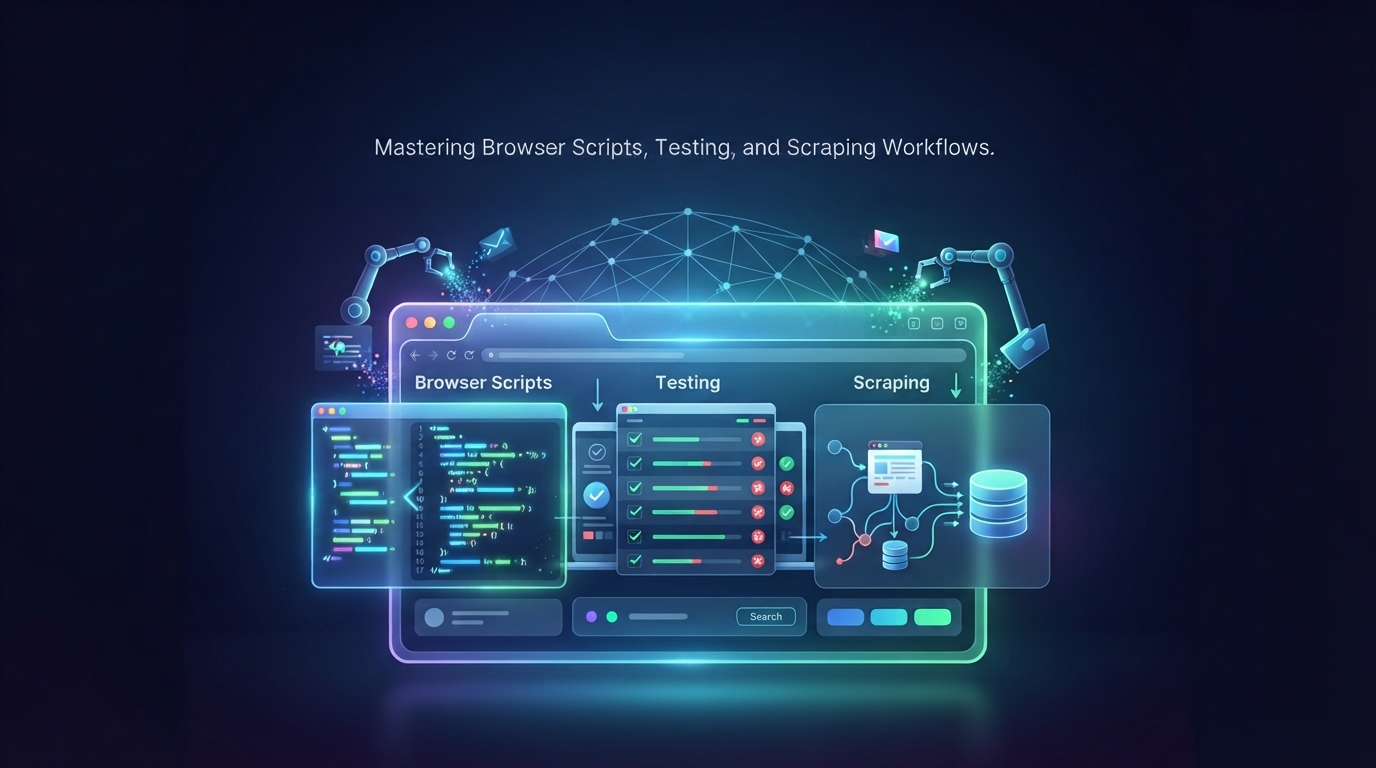
The landscape of digital operations is shifting at an unprecedented pace, driven by higher expectations for speed, accuracy, and data availability. Whether you are managing complex QA testing pipelines, executing large-scale data extraction, or streamlining enterprise workflows, relying on manual browser tasks is no longer sustainable. Modern development and marketing teams require advanced strategies and robust architectures to keep pace with dynamic web environments.
To maintain a competitive edge, professionals must adopt smarter deployment methods that combine intelligent browser control with resilient backend execution.
The Evolution of Web Automation in 2026
Web automation has evolved far beyond basic macro recording and brittle scripts that break with the slightest frontend UI update. In 2026, web browser automation relies on adaptive, intelligent frameworks capable of handling asynchronous data loading, complex DOM structures, and stringent anti-bot measures seamlessly. When teams leverage the right combination of tools and best practices, they can eliminate repetitive bottlenecks and scale their digital operations efficiently.
- The Shift from Static Scripts to Dynamic Execution: Modern web applications utilize heavy JavaScript frameworks and frequent asynchronous updates, requiring automation tools that look beyond static HTML to interact with live, changing states.
- Core Benefits for Developers and Marketers: Implementing structured automation workflows drastically reduces human error, accelerates software testing cycles, and enables reliable, high-volume data harvesting without draining internal resources.
Essential Categories: Choosing the Right Tools for Web Tasks
Selecting the proper software stack is the foundation of any successful automation strategy. Because digital tasks range from rigorous quality assurance to large-scale data harvesting, relying on a single one-size-fits-all tool often leads to bottlenecks. Teams must evaluate and categorize solutions based on their specific operational objectives.
- Testing and QA Frameworks: Utilizing dedicated automated testing tools for web applications ensures that software codebases maintain structural integrity, functional reliability, and seamless user experiences across various browser environments.
- General Browser and Workflow Scrapers: Deploying versatile web browser automation platforms and the best web automation tools allows organizations to streamline repetitive form submissions, administrative routines, and multi-step digital workflows.
Browser Scripts and Navigation Best Practices
Writing efficient browser automation scripts requires anticipating the unpredictable nature of modern web pages. When pages rely heavily on asynchronous loading and complex Document Object Models, basic scripts often fail due to timing discrepancies or minor layout shifts. Implementing robust browser automation best practices ensures your scripts remain resilient and error-free over time.
- Handling Dynamic Elements and Asynchronous Loads: Overcome timing issues and fluctuating load speeds by implementing smart explicit waits rather than fixed sleep timers, allowing your scripts to interact with elements the exact moment they become available in the DOM.
- Maintaining Clean Script Hygiene: Structure your code with robust selectors, modular functions, and comprehensive error handling so that minor frontend user interface updates do not cause your entire automation pipeline to break.
Enterprise Workflow and Service Testing Strategies
Scaling automation beyond basic browser interactions requires a synchronized approach to backend systems, APIs, and large-scale organizational pipelines. As businesses adopt microservices architectures and distributed cloud networks, ensuring seamless communication between web frontends and backend databases becomes a critical engineering challenge. When organizations rely on manual verification for backend updates and API integrations, data discrepancies, service timeouts, and critical system failures inevitably slip through to production environments.
To eliminate operational friction and ensure absolute system reliability across enterprise networks, teams must implement rigorous automated testing and scalable workflow strategies.
- Automating API and Web Service Checks: Integrating web service test automation and specific routines to automate web service testing ensures that backend endpoints, JSON responses, and database queries execute reliably under varying loads. This proactive approach catches communication breakdowns, payload mismatches, and authentication errors before they disrupt customer-facing web applications.
- Scaling Enterprise Workflows: Deploying enterprise workflow automation tools within continuous integration and continuous deployment (CI/CD) pipelines allows engineering teams to execute automated regression tests, system health checks, and data synchronization tasks automatically with every code commit, drastically accelerating time-to-market without compromising stability.
Data Extraction and Scraping Optimization
Extracting valuable data at scale requires a delicate balance between high-speed execution and stealthy navigation. As websites implement increasingly sophisticated bot-detection mechanisms—such as behavioral analysis, CAPTCHAs, and rate-limiting firewalls—traditional scraping scripts frequently get blocked or return corrupted data. When organizations rely on basic scraping setups, they face constant maintenance overhead and incomplete datasets that disrupt downstream business intelligence.
To overcome these obstacles and harvest information reliably, modern operations must leverage advanced scraping tools and adaptive machine-learning models designed for high-volume pipelines.
- Building Resilient Scraping Pipelines: Utilizing the best web scraping tool for automation allows teams to deploy rotating proxy networks, intelligent request throttling, and custom header management, ensuring continuous data flow without triggering security blocks.
- Leveraging AI for Adaptive Extraction: Integrating AI-driven web scraping techniques enables systems to automatically recognize shifting DOM layouts and parse unstructured web pages dynamically, eliminating the need for constant manual script rewrites when target sites update their design.
Specialized Assets: Integrating Visual Verification APIs
Ensuring that web applications render correctly across thousands of different screen sizes, operating systems, and device types is a massive challenge for modern developers and quality assurance teams. Visual regressions, broken stylesheets, or misaligned interface components can slip past traditional functional tests unnoticed, ultimately damaging brand credibility and user experience. When teams rely solely on manual visual checks, the process becomes painfully slow and prone to human oversight.
To maintain pixel-perfect precision and rigorous visual standards at scale, modern automation pipelines integrate specialized capture solutions.
- Automated Visual Snapshots: Leveraging the best api for automated web screenshots 2026 allows development teams to trigger full-page or element-specific image captures dynamically during automated test runs or scheduled scraper execution.
- Archiving and Compliance Logging: Storing visual evidence securely in cloud repositories creates a permanent, verifiable audit trail of how web pages and application states looked at any given point in time, streamlining compliance validation and debugging efforts.
Script Maintenance, Monitoring, and Cloud Deployment
Successfully deploying web automation scripts and bots to a production environment is only half the battle. Because target web layouts change frequently, APIs update their schemas, and network environments fluctuate, unattended scripts are prone to silent failures. Relying on ad-hoc checks or discovering broken data pipelines only after a stakeholder complains can lead to massive operational downtime and data loss.
To guarantee long-term stability and high uptime across digital operations, teams must implement proactive monitoring and disciplined script management strategies.
- Proactive Cloud Monitoring: Implement centralized control rooms and cloud bot tracking to monitor execution metrics, latency spikes, and error rates in real time. Early-warning alerts allow engineers to catch exceptions and resolve bottlenecks before they impact core business systems.
- Optimizing Low-Code vs. Code-Heavy Workflows: Balance visual drag-and-drop builders with raw programmatic customization, utilizing low-code test automation workflows for rapid deployments while retaining code flexibility to handle complex, edge-case system logic.