Maintaining a unified corporate identity across dozens of channels, regional teams, and fast-paced campaigns has become a formidable challenge for growing businesses. Traditional branding methods—relying on static PDF brand guidelines and manual reviews—often create bottlenecks that slow down marketing momentum and lead to disjointed customer experiences.
As organizations scale, ensuring that every piece of outbound collateral, messaging asset, and digital touchpoint remains precisely aligned with core brand values requires moving beyond manual oversight. This is where intelligent systems come into play, transforming how identity is managed, deployed, and protected. This guide explores the mechanics of automated branding, from centralized asset portals and messaging tools to advanced tracking platforms and growth strategies for modern agencies.
Understanding Automated Branding: What It Is and Why It Matters
As marketing workflows become increasingly decentralized, exploring automated branding reveals a shift from rigid manual enforcement to dynamic, software-driven identity management. Automated branding refers to the use of cloud-based platforms, centralized repositories, and intelligent workflows to maintain visual and messaging consistency across an entire organization without constant human intervention.
Defining Automated Branding and the Shift to Intelligent Systems
Rather than depending on designers or project managers to manually check assets against static style guides, modern organizations utilize integrated tools to streamline the entire brand lifecycle.
- Centralized Digital Governance: Modern platforms anchor visual assets, typography rules, and logos in cloud environments where permissions and updates propagate instantly to all authorized users.
- Eliminating Fragmented Workflows: By replacing siloed folders and email chains with structured digital environments, teams avoid version control errors and rogue asset usage.
- Core Operational Benefits: Automated systems drastically reduce the time spent on administrative design reviews, allowing creative teams to focus on strategic execution rather than policing brand compliance.
Core Pillars of Automated Brand Consistency
Maintaining a uniform corporate identity across distributed teams and high-volume marketing campaigns requires a robust technological framework. Relying on manual oversight often leads to rogue formatting, outdated logos, and diluted messaging. Integrating advanced systems into your marketing stack ensures that brand compliance happens automatically at every stage of content creation.
Leveraging Dynamic Brand Portals and Centralized Repositories
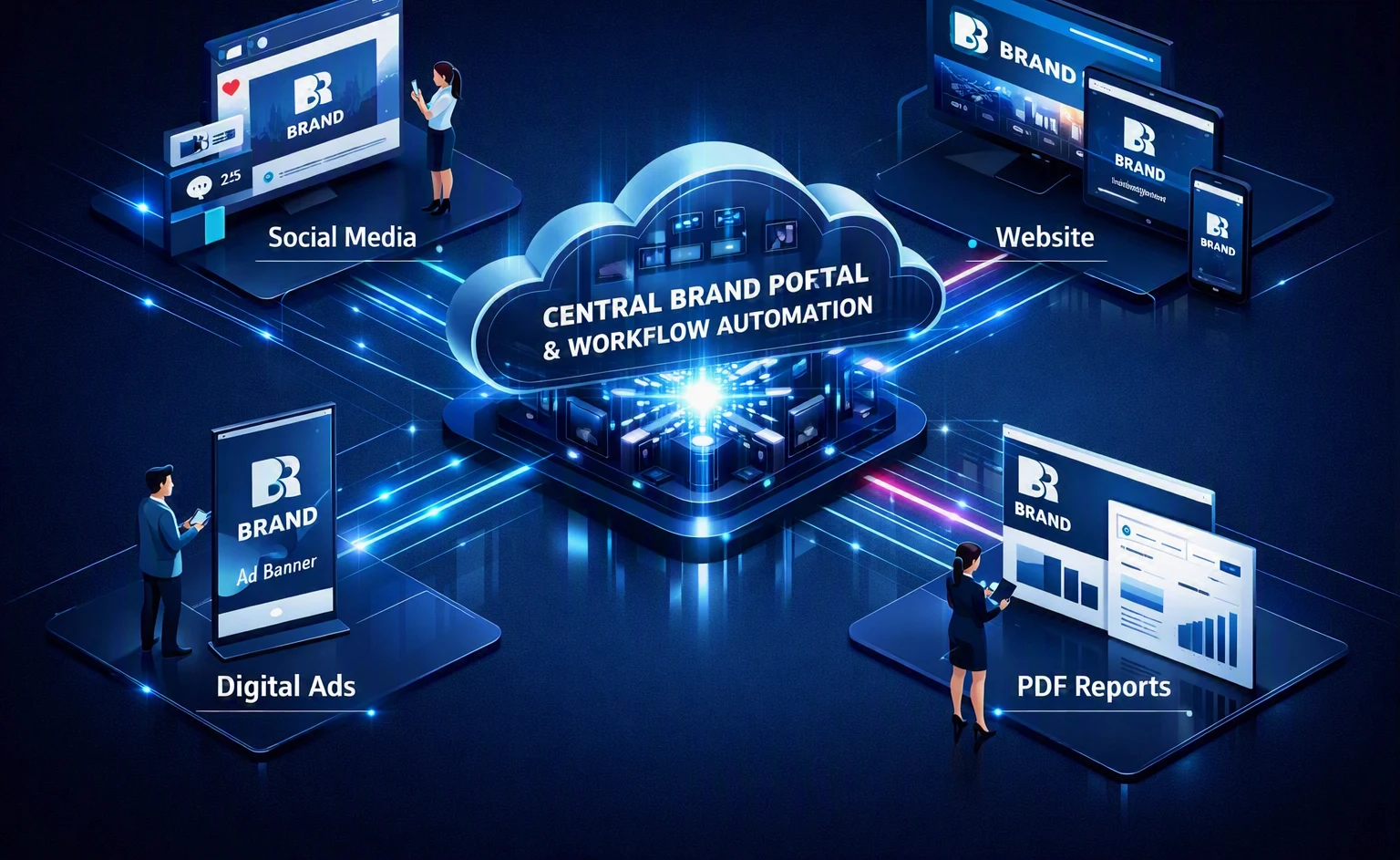
At the heart of any scalable identity strategy is a centralized hub where all digital assets live.
- Cloud-Hosted Asset Repositories: Brand portals act as a single source of truth for logos, graphic elements, typography kits, and approved templates, ensuring teams always access the most current versions.
- Automated Permissioning and Version Control: Administrators can assign specific access tiers based on department or external vendor roles, preventing unauthorized alterations and instantly updating assets globally when rebranding occurs.
Securing Voice and Visuals with Automated Guardrails
Consistency goes beyond visual design; it requires absolute alignment in tone, language, and core messaging.
- Unified Messaging Frameworks: Utilizing an automated brand messaging tool locks down approved taglines, product descriptions, and brand voice guidelines directly within writing and publishing environments.
- Automated Compliance Checks: Modern AI-powered marketing automation tools feature built-in guardrails that flag off-brand vocabulary, incorrect color hex codes, or unapproved layouts before campaigns ever go live.
Tracking and Protecting Identity: The Role of Automated Monitoring
As digital campaigns expand across multiple platforms, channels, and global markets, keeping manual tabs on how your brand is represented becomes practically impossible. To safeguard your corporate reputation and intellectual property, modern organizations rely on proactive, technology-driven oversight systems.
Real-Time Visibility and Automated Brand Tracking
Proactive management requires continuous visibility into where and how your visual assets and logos appear across the web.
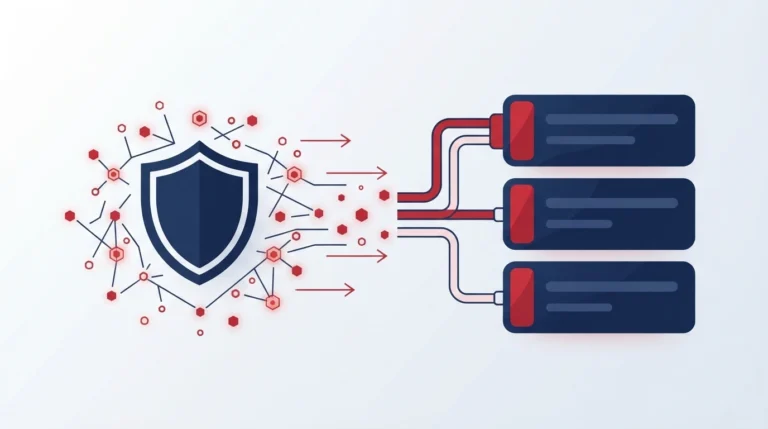
- Continuous Digital Auditing: Implementing automated brand tracking allows organizations to monitor digital ecosystems, partner networks, and social channels continuously, detecting logo usage and visual brand placements instantly.
- Proactive Reputation Management: Automated tracking tools alert marketing teams to sudden shifts in brand visibility or unauthorized asset deployment, enabling swift corrective action before brand equity is compromised.
Mitigating Copyright Risks and Analyzing Sentiment
Protecting your brand extends beyond simple asset tracking into safeguarding intellectual property and understanding audience reception.
- IP and Copyright Protection: Utilizing advanced protection platforms helps identify counterfeit assets, unauthorized product imagery, and potential copyright infringements across digital marketplaces.
- Measuring Perception Shifts: By integrating automated sentiment analysis, businesses can track how target audiences respond to updated campaigns, ensuring that automated marketing efforts consistently reinforce positive brand perception over time.
Scaling Growth: How to Grow Brand Awareness for an AI Automation Agency
Scaling a technology-driven enterprise requires more than just high-performing software; it demands a strategic approach to market visibility and authority building. For modern agencies operating in the artificial intelligence and workflow automation sector, cutting through noisy digital landscapes is essential for attracting enterprise decision-makers and high-value clients.
Establishing Thought Leadership Through Content Authority
To build instant credibility with prospective clients, your agency must consistently demonstrate deep technical expertise and measurable business outcomes.
- Case-Study-Driven Publishing: Publish detailed, data-backed case studies illustrating how your automated workflows and brand governance tools solve real enterprise inefficiencies.
- Demonstrating Practical ROI: Shift marketing conversations away from abstract technological features by highlighting hard metrics, such as time saved on creative reviews and reduced compliance errors.
Omnichannel Distribution and Authority Positioning
Maximizing visibility means meeting enterprise stakeholders where they evaluate new technology vendors.
- Targeted Content Syndication: Distribute technical guides, whitepapers, and implementation roadmaps across executive networks, industry-specific forums, and B2B platforms.
- Seamless Ecosystem Integration: Showcase how your automated branding tools integrate cleanly with existing enterprise tech stacks—such as CRM systems, cloud storage, and reporting dashboards—proving that your agency provides scalable, frictionless solutions for long-term growth.
Conclusion: Is Automated Branding Right for Your Organization?
Evaluating whether to transition from traditional manual oversight to automated branding infrastructure depends on your company’s operational scale, team distribution, and volume of content output. While lean startups managing a single product line may navigate fine with static guidelines, growing organizations and multi-channel agencies quickly hit bottlenecks where manual governance breaks down.
Weighing Efficiency Against Setup Overhead
Implementing an automated branding ecosystem requires upfront planning, but the long-term operational dividends far outweigh the initial configuration effort.
- Key Advantages: Dramatic reductions in administrative bottlenecks, absolute elimination of rogue asset usage, instant global updates during rebrands, and consistent cross-channel messaging alignment.
- Potential Limitations: Initial platform onboarding requires cross-departmental training, asset migration, and the establishment of strict permission hierarchies before full workflow automation takes effect.
Who Benefits Most from Automated Branding?
- Distributed Enterprises & Multi-Location Brands: Ideal for organizations with decentralized marketing teams, regional offices, and external agencies that need instant access to approved, compliant assets.
- Scaling AI and Tech Agencies: Perfect for growing service providers looking to streamline internal client handoffs, protect brand integrity, and showcase advanced workflow maturity to enterprise prospects.
Frequently Asked Questions (FAQs)
What is an automated brand messaging tool?
An automated brand messaging tool is a software solution that stores core brand voices, approved vocabulary, messaging pillars, and taglines centrally. It integrates directly into content creation and publishing platforms to ensure that all team members and external writers maintain absolute messaging alignment across every channel.
How do automated brand tracking features work?
Automated brand tracking tools continuously scan digital channels, partner networks, and web properties to monitor how brand assets, logos, and visual identifiers are deployed. These systems alert marketing teams in real time when unauthorized assets are detected or when brand visibility fluctuates unexpectedly.
What are the key benefits of brand portals with workflow automation?
Centralized brand portals equipped with workflow automation eliminate version control errors by providing a single source of truth for all digital assets. Automated permissioning ensures that only approved team members can update assets, while streamlined workflows speed up campaign deployment and eliminate administrative bottlenecks.
How can an AI automation agency scale its brand awareness?
Agencies can scale their market visibility by publishing data-backed, case-study-driven content that demonstrates the clear ROI of automated workflows. By combining targeted omnichannel content syndication with thought-leadership positioning, agencies can effectively capture the attention of enterprise decision-makers.