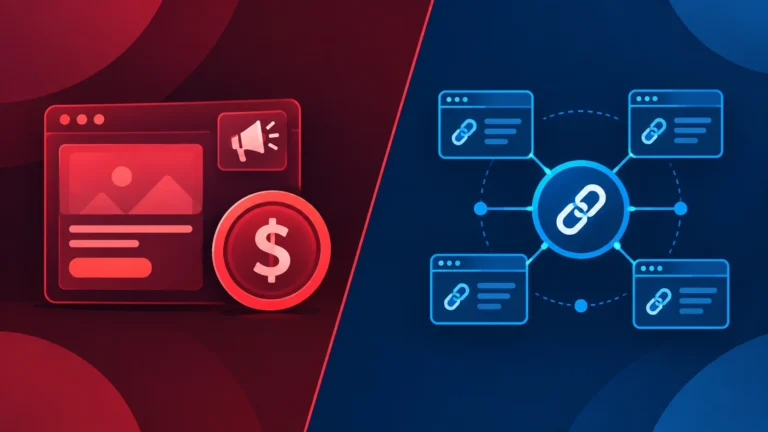

During the peak era of web-based media sharing, platforms like Solar Movies gained massive popularity by serving as unindexed, directory-style aggregators for films and television shows. From a technical standpoint, these legacy sites did not typically host video files on their own servers. Instead, they operated as automated web scrapers or manual content curators that embedded third-party video players sourced from external file-hosting networks.
By indexing vast libraries of metadata—including movie synopses, release years, cast lists, and user ratings—these directories provided a seamless, zero-registration browsing experience that attracted millions of daily visitors. However, because they relied heavily on decentralized video hosts and unverified media sources, their operational structure was inherently volatile. Frequent domain seizures, ISP-level blockades, and constant server migrations became defining characteristics of these networks, forcing users to navigate endless mirror sites and unpredictable downtime.
The Shift Toward Smart Entertainment Discovery Software
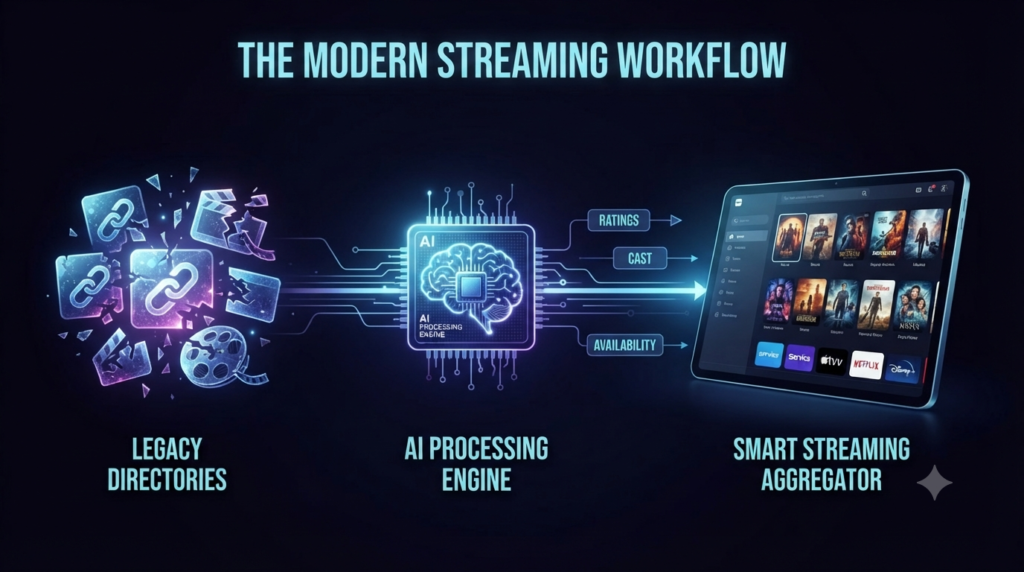
As the digital entertainment market matured and splintered across dozens of competing subscription models, the demand for unstructured, legacy media directories began to fade. Consumers no longer wanted to comb through unverified websites or dodge intrusive pop-ups just to find a movie. Instead, the tech industry responded with smart entertainment discovery software and centralized streaming aggregators—such as JustWatch and Reelgood—that brought order to the fragmented media landscape.
These modern platforms function as sophisticated software applications rather than simple link directories. By leveraging robust application programming interfaces (APIs), they aggregate real-time data across more than 150 legal streaming services, cable networks, and digital storefronts. When a user searches for a specific film or TV series, the software instantly scans multiple providers to show precisely where the title is available to stream, rent, or buy. Furthermore, these apps incorporate advanced personalization tools—including cross-platform watch history trackers, custom notification alerts for new content drops, and algorithmic recommendation engines—transforming how digital audiences navigate the modern streaming ecosystem.
How Film Databases and Rating Sites Function
Behind every modern movie discovery platform, streaming aggregator, or legacy directory lies a complex architecture built on media metadata and structured data networks. Rather than storing massive video files locally, applications rely on centralized entertainment databases and developer APIs (such as The Movie Database or enterprise-grade catalogs) to fetch synopses, cast lists, release years, high-resolution posters, and user reviews in real time.
When a user types a query into a media app, the software triggers an API request that parses millions of records instantly, returning clean JSON payloads rather than messy HTML code. This separation of concerns allows developers to build lightweight, lightning-fast user interfaces. Rating systems and recommendation engines then process these data points—evaluating user votes, genre tags, and watch histories—to deliver tailored cinematic suggestions without ever hosting or distributing copyrighted video content themselves.
Security, Privacy, and Risks Associated with Unverified Streaming Sites
Navigating legacy, unverified media networks—including historical references like Solar Movies—exposes users to significant cybersecurity vulnerabilities. Unlike official, enterprise-grade streaming applications that adhere to strict data privacy regulations and content delivery network (CDN) security protocols, unverified sites operate outside legal and technical guardrails. This operational model creates a breeding ground for malicious actors looking to exploit unsuspecting web traffic.
The most common technical risks associated with these platforms include:
- Malicious Script Injections and Drive-By Downloads: Unlicensed sites frequently rely on aggressive third-party ad networks that inject malicious JavaScript or exploit browser vulnerabilities, potentially downloading malware or ransomware without user consent.
- Deceptive Phishing Redirects: Clicking standard play buttons or volume controls on unverified directories often triggers pop-under tabs that redirect users to fake software update pages, credential-harvesting login forms, or scam portals.
- Lack of End-to-End Encryption: Many mirror domains fail to maintain valid SSL/TLS certificates or utilize weak encryption protocols, leaving user IP addresses, session tokens, and browsing habits exposed to packet sniffing and tracking by malicious third parties.
Deploying robust digital hygiene—such as enterprise-grade ad-blockers, script-blocking browser extensions, and virtual private network (VPN) services—is often discussed among tech enthusiasts, but avoiding unverified domains entirely remains the only foolproof method to protect personal hardware and data privacy.
Best Legal, Ad-Supported Software Platforms for Free Movie Streaming
For viewers looking to bypass the security risks and legal gray areas of legacy directory sites like Solar Movies, the streaming industry has experienced a massive shift toward Free Ad-Supported Streaming Television (FAST) and ad-supported video-on-demand (AVOD) software platforms. These ecosystems deliver legal, high-performance entertainment experiences funded entirely through non-intrusive digital advertising rather than subscription paywalls.
Industry-leading platforms provide robust software alternatives with advanced catalog indexing:
- Tubi: Operating as a premier ad-supported video-on-demand app, Tubi features massive libraries consisting of tens of thousands of movies and television shows alongside hundreds of live channels. It provides intuitive native applications across smart TVs, mobile tablets, and web browsers, complete with clean user interfaces, watchlists, and structured genre categorization.
- Pluto TV: Blending traditional linear television programming with on-demand media, Pluto TV offers hundreds of curated live channels and movie catalogs organized neatly into interactive electronic program guides (EPGs). Users can easily customize favorite channels and stream directly across various connected devices without managing account subscriptions.
- The Roku Channel & Plex: These platforms function as powerful content aggregators. Plex blends personal media server capabilities with free ad-supported streaming television, while manufacturer-backed apps like The Roku Channel provide seamless access to premium movies, live news, and original entertainment directly through smart software integrations.
Adopting these licensed applications ensures viewers enjoy reliable video playback, strong device compatibility, and complete digital safety without exposing their hardware to unverified web scripts.
Frequently Asked Questions (FAQs)
What happened to legacy movie directories like Solar Movies?
Legacy media platforms—often referenced historically as Solar Movies—faced continuous technical and legal challenges due to their reliance on unindexed third-party video scraping and decentralized file hosting. Because these sites operated outside official distribution networks, they frequently suffered from domain seizures, ISP-level blocks, and structural instability, driving the digital audience toward modern software-based aggregators and legal streaming applications.
How do modern streaming aggregators help you find where to watch a movie?
Modern streaming discovery software utilizes application programming interfaces (APIs) to index real-time data across dozens of legal entertainment networks and digital storefronts. Instead of manually searching multiple subscription apps, users can query a single platform to immediately see structured rights and availability metadata indicating precisely where a film or television show can be streamed, rented, or purchased.
Are there safe software alternatives for discovering free movies online?
Yes. The entertainment technology sector features a broad ecosystem of legitimate Free Ad-Supported Streaming Television (FAST) and ad-supported video-on-demand (AVOD) platforms—such as Tubi, Pluto TV, and Plex. These applications provide secure, high-performance video playback, robust device compatibility, and structured content libraries funded by digital ads rather than subscription fees or risky third-party scripts.