Artificial intelligence has evolved far beyond rigid decision trees, static scripts, and elementary customer service pop-ups. Today, the convergence of advanced conversational systems, machine learning algorithms, and intelligent automation has reshaped how organizations interact with users, process data, and execute workflows. By leveraging natural language processing and real-time data integration, modern digital agents deliver dynamic, context-aware responses that bridge the gap between human capability and software scalability.
Across global markets, exploring the practical applications of smartbots and AI has become a core priority for businesses seeking competitive advantages, reduced operational friction, and enhanced digital experiences. From streamlining customer interactions to managing secure financial transactions and internal enterprise infrastructure, these intelligent systems serve as the foundation of modern digital transformation.
Core Technologies Powering Modern Smart AI Bots
The capability of modern smartbots to hold fluid, human-like conversations and execute complex operational tasks stems from a sophisticated underlying technology stack. Unlike legacy chatbots that relied purely on rigid, hard-coded keyword matching and linear decision trees, today’s intelligent systems leverage a combination of advanced software engineering models to understand intent, process live data, and adapt dynamically to users.
Natural Language Processing (NLP) and Intent Recognition
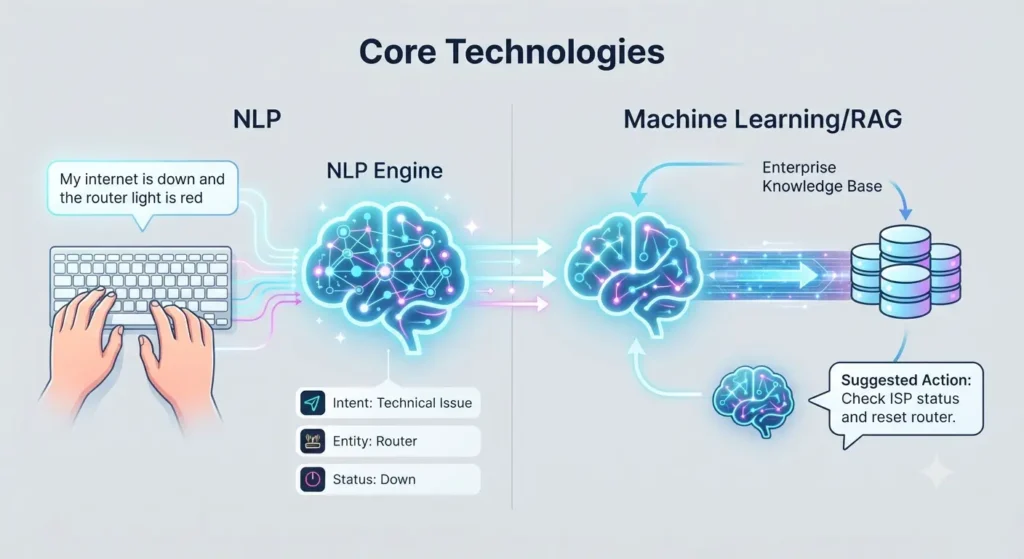
Natural language processing forms the cognitive foundation of any advanced smartbot, enabling systems to parse, interpret, and generate human language in all its unstructured complexity. Through sophisticated tokenization, syntax parsing, and semantic analysis, modern NLP engines look far beyond literal keyword inputs to grasp underlying context, slang, and sentiment. Intent recognition algorithms then classify what the user wants to achieve, allowing the smartbot to accurately interpret ambiguous queries and respond with precise, contextually appropriate answers rather than defaulting to generic error messages.
Machine Learning and Predictive Analytics
Machine learning algorithms empower smartbots to continuously improve over time without requiring constant manual reprogramming. By analyzing historical interaction data, user feedback logs, and resolution patterns, these systems learn which conversational paths successfully resolve issues and which lead to user frustration. Predictive analytics further enhance this capability by anticipating user needs based on behavioral triggers, allowing proactive engagement—such as offering technical troubleshooting advice before a user explicitly files a support ticket.
Retrieval-Augmented Generation (RAG) and Live Data Integration
One of the most significant breakthroughs in conversational AI is the implementation of retrieval-augmented generation (RAG) and live API integrations. Traditional generative models often suffer from static training data or hallucinations when asked about specific enterprise databases. RAG bridges this gap by allowing the smartbot to dynamically search secure internal document repositories, knowledge bases, or live external databases in real time whenever a query is submitted. The system then extracts the exact verified information and synthesizes a precise, up-to-date response, ensuring high accuracy and complete data security for enterprise applications.
Revolutionizing Customer Support and Conversational Commerce
Customer support and digital retail have undergone a massive paradigm shift, moving away from static contact forms and rigid decision trees toward fully integrated conversational systems. In modern digital landscapes, smartbots serve as the frontline for client engagement, operating continuously across multiple channels to deliver instant, context-aware assistance. Rather than forcing users to navigate complex web directories or wait hours for a support ticket response, AI-driven platforms provide immediate resolution for high-volume inquiries while simultaneously driving sales conversion rates.
24/7 Omnichannel Customer Service Availability
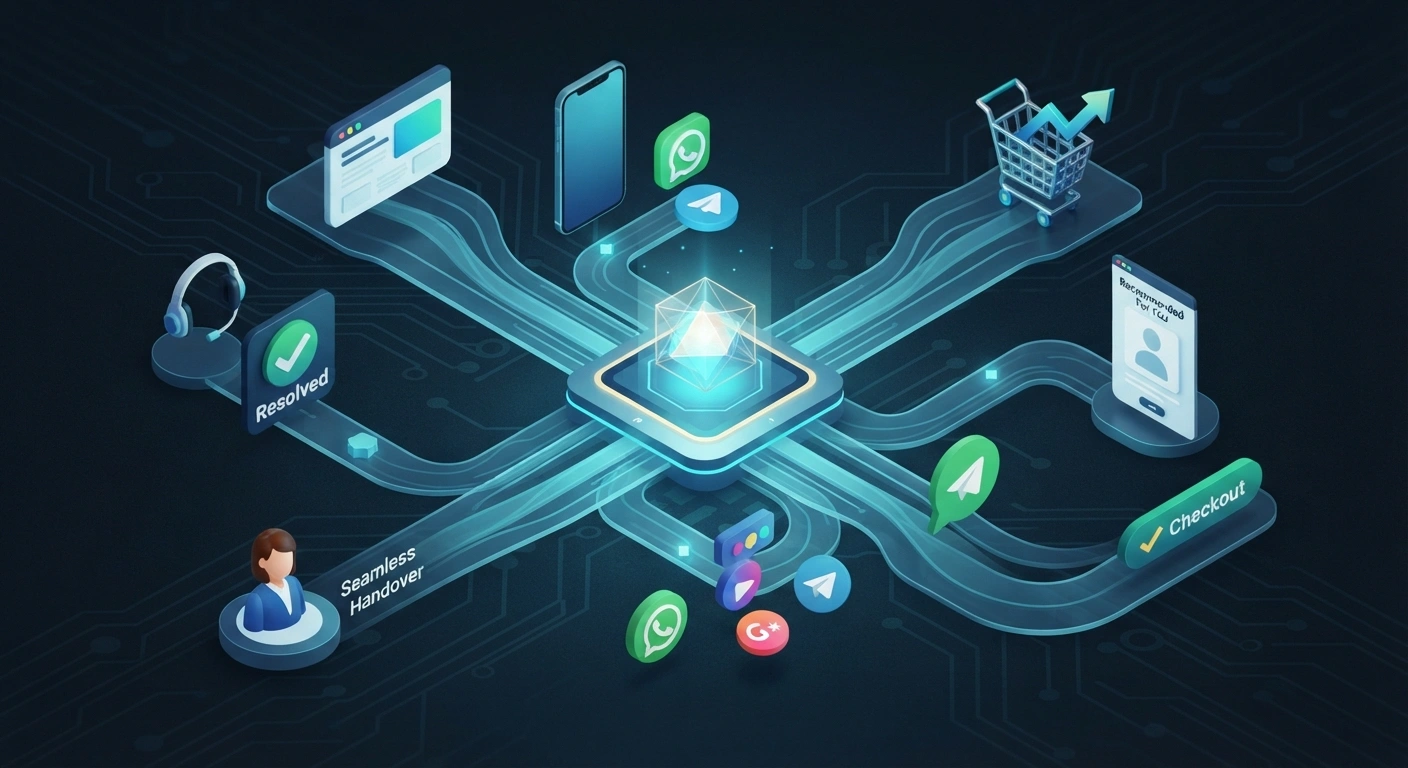
Modern consumers expect seamless support continuity across websites, mobile applications, and messaging platforms like WhatsApp, Telegram, and social media channels. Smartbots unify these touchpoints by maintaining conversation history and user context across devices. Utilizing advanced natural language processing, these systems instantly parse user intent—even when queries are unstructured or emotionally charged—to resolve FAQs, process basic returns, and handle shipping updates without human intervention. When a request exceeds automated capabilities, workflow-aware smartbots cleanly escalate the issue to a human agent, supplying a comprehensive summary of the interaction to eliminate friction.
Personalized Product Recommendations and Up-selling
Beyond reactive troubleshooting, conversational commerce has redefined how online retailers interact with prospective buyers. Smart shopping assistants analyze live browsing behavior, past purchase histories, and conversational preferences in real time to offer hyper-personalized product suggestions. By functioning similarly to a knowledgeable in-store associate, these tools help recover abandoned carts, answer pre-purchase questions about sizing or compatibility, and guide shoppers smoothly from initial discovery directly to checkout within a single chat interface.
Healthcare Virtual Assistants and Patient Management
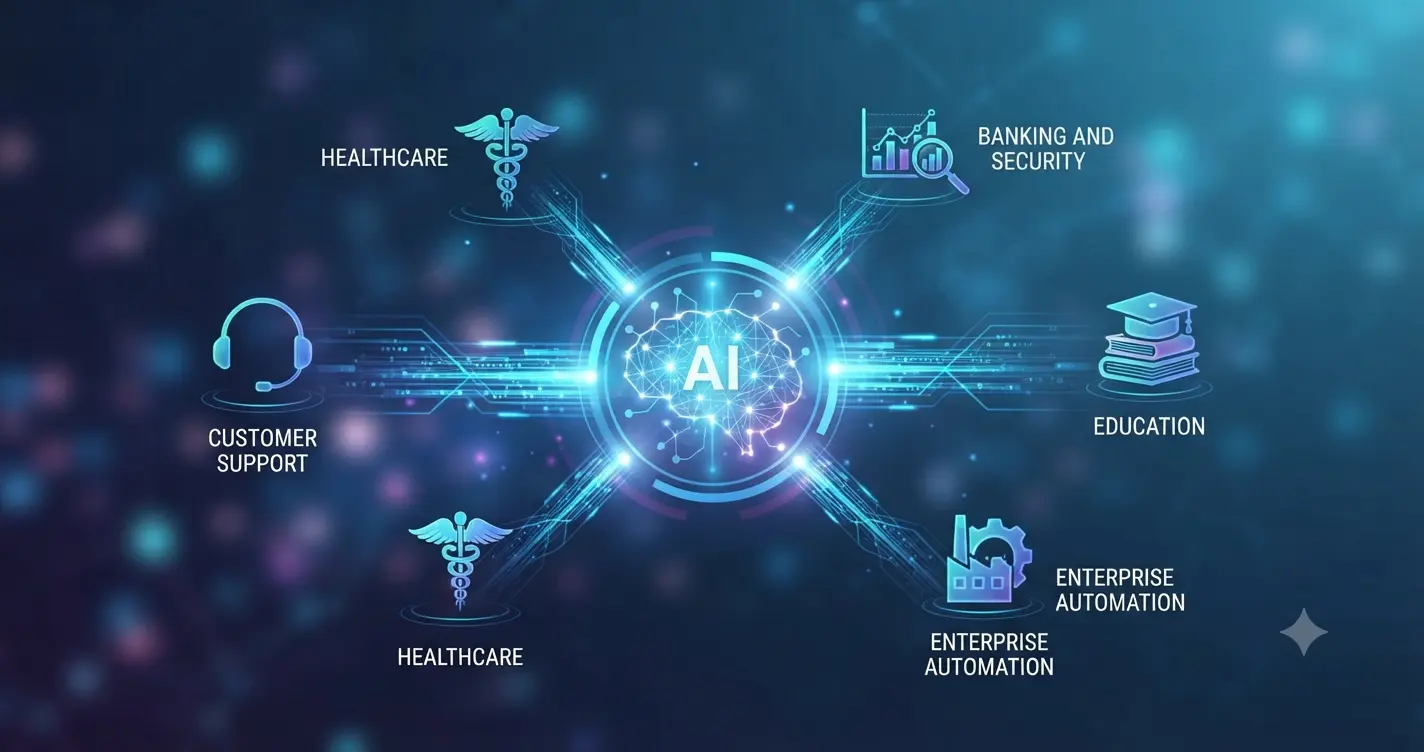
The healthcare sector continuously faces immense administrative pressure, high patient volumes, and strict demands for data accuracy. AI-driven virtual assistants and smartbots offer a transformative approach to medical practice management by bridging the communication gap between healthcare providers and patients. By automating routine interactions and streamlining data collection, these intelligent systems help reduce operational burnout among clinical staff while expanding healthcare accessibility for patients around the clock.
Automated Triage and Preliminary Symptom Checkers
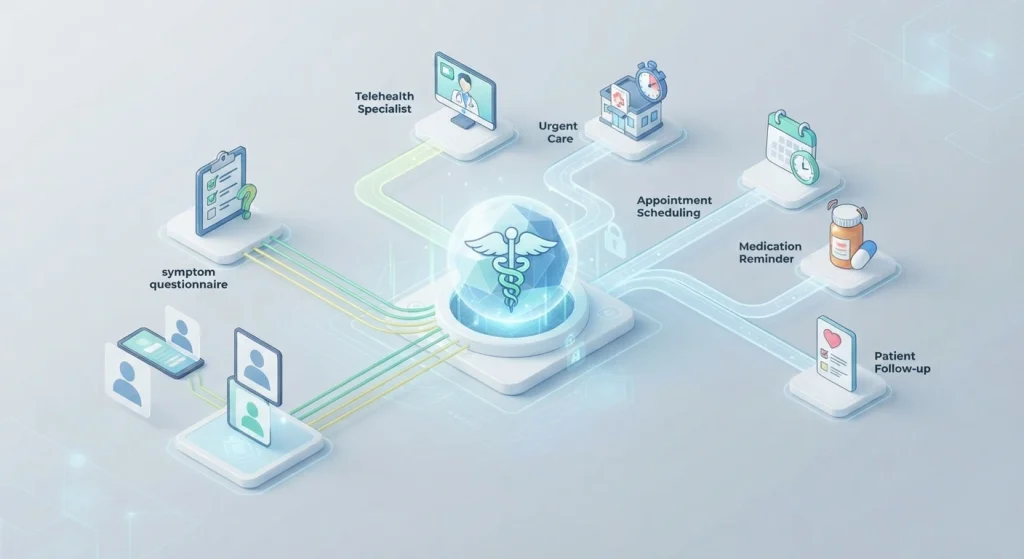
Intelligent medical smartbots act as an initial point of contact for patients seeking guidance on sudden symptoms or health concerns. Utilizing structured clinical logic combined with natural language understanding, these systems guide patients through comprehensive symptom questionnaires. Based on the responses, the smartbot can evaluate the urgency of the condition, provide preliminary self-care instructions, or direct the patient to the appropriate level of care—such as scheduling an urgent clinic visit, visiting an emergency room, or consulting a telehealth specialist. This ensures that critical cases receive prompt attention while reducing unnecessary visits to crowded facilities.
Streamlining Appointment Scheduling and Follow-Ups
Administrative workflows such as booking appointments, managing cancellations, and sending medication reminders consume countless hours of staff time. Smartbots automate these logistical tasks seamlessly across web portals and messaging applications. Patients can interact with conversational agents in real time to find available practitioner slots, reschedule appointments instantly, and receive automated pre-appointment preparation instructions. Furthermore, post-consultation follow-up bots check in on recovering patients, track self-reported recovery metrics, and alert medical personnel if reported symptoms deviate from expected recovery pathways.
Enterprise Automation and Internal Workplace Productivity
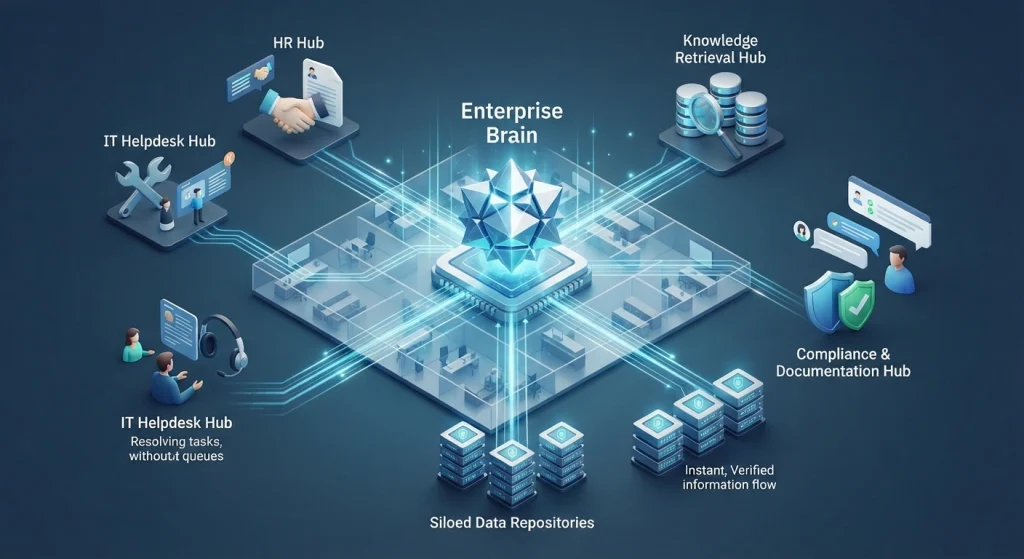
While customer-facing applications often receive the most attention, the internal deployment of smartbots and AI within enterprise environments drives massive operational efficiencies. Modern organizations grapple with siloed data, endless internal communications, and repetitive administrative workflows that drain employee time. By acting as digital coworkers, enterprise-grade AI assistants streamline daily operations, democratize access to internal data, and eliminate the friction of routine corporate tasks.
Internal HR and IT Helpdesk Automation
Employees frequently lose valuable productivity waiting on basic internal support, whether they are troubleshooting a software installation, requesting time off, or navigating complex corporate benefit policies. Internal smartbots integrated into enterprise collaboration platforms like Slack or Microsoft Teams handle these tier-one requests autonomously. New employee onboarding pipelines are fully automated through conversational workflows that collect necessary documentation, provision software licenses, and guide hires through required training modules. Similarly, IT helpdesks leverage smart bots to handle automated password resets, hardware requests, and basic network troubleshooting around the clock.
Enterprise Knowledge Retrieval and Search Agents
In large corporations, valuable institutional knowledge is frequently scattered across disparate document repositories, cloud drives, and internal wikis, making it difficult for staff to find accurate information quickly. Advanced enterprise search agents utilize retrieval-augmented generation (RAG) to connect directly to these secure, siloed databases. Employees can query the internal smartbot in natural language—asking questions such as “What is our Q3 compliance protocol for data privacy?”—and receive precise, verified answers complete with direct source citations within seconds. This capability drastically reduces time spent searching for documentation and ensures consistent operational compliance across all departments.
Secure Transactions and Banking AI Integration
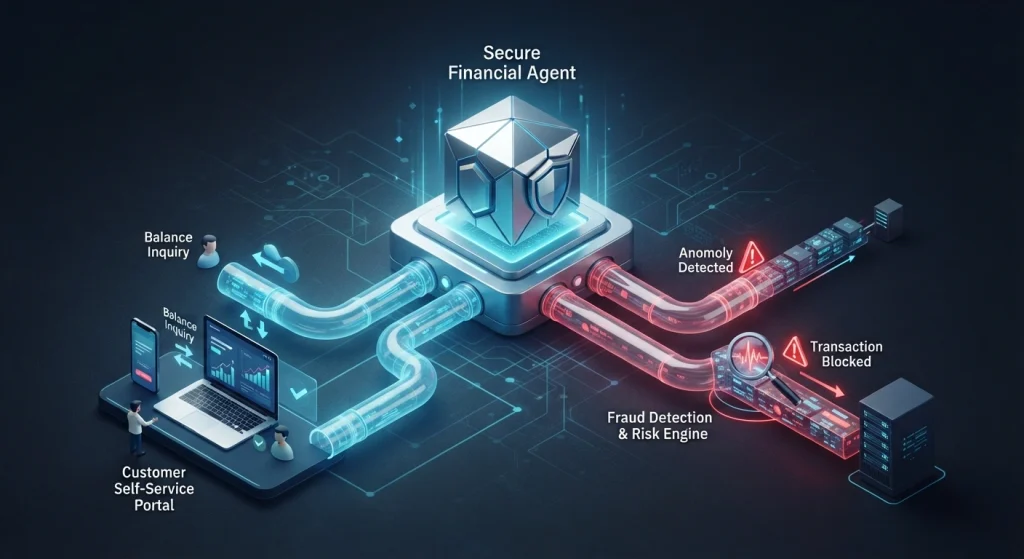
The financial and banking sector operates on a zero-tolerance threshold for error, demanding absolute security, speed, and precision in every transaction. Financial institutions rapidly integrate conversational artificial intelligence and intelligent agents to modernize how they deliver client services, secure accounts, and process complex data. By combining robust encryption with natural language processing, modern banking smartbots handle high volumes of sensitive tasks while maintaining strict regulatory compliance and elevating customer trust.
Automated Banking Services and Self-Service Portals
Traditional banking often involves long hold times for basic account inquiries or rigid menus on automated phone trees. Financial smartbots revolutionize retail banking by providing instant, secure self-service capabilities directly through mobile banking apps and web portals. Customers can check real-time account balances, review recent transaction histories, execute domestic and international fund transfers, and submit introductory loan applications entirely through conversational chat interfaces. These bots authenticate users securely via multi-factor authentication protocols, ensuring that sensitive financial operations remain protected while delivering frictionless 24/7 access.
Real-Time Fraud Detection and Risk Monitoring
Beyond routine customer service, AI-driven monitoring systems act as vigilant sentinels behind the scenes to safeguard institutional and consumer assets. Smart financial agents continuously analyze transactional streams in real time, leveraging machine learning models to identify anomalies that deviate from established customer behavioral baselines. When suspicious activity—such as an unauthorized foreign transaction or sudden rapid-fire withdrawals—is detected, the smartbot instantly flags the risk, blocks the transaction, and triggers automated verification prompts to the account holder’s verified mobile device. This instantaneous response capability drastically reduces fraud losses and protects users before unauthorized charges can be fully processed.
Scalable E-Learning and Smart Educational Tutors
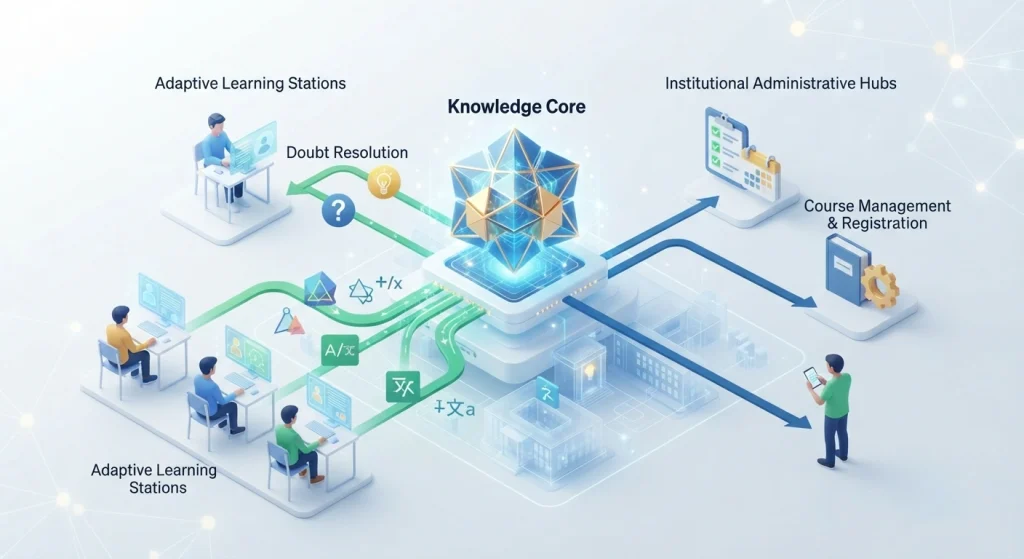
The education sector has experienced a profound shift away from rigid, one-size-fits-all instruction toward highly individualized, digital-first learning ecosystems. Modern e-learning platforms, universities, and corporate training programs increasingly integrate smartbots and conversational artificial intelligence to democratize access to quality education. By continuously adapting to a learner’s individual pace, comprehension level, and performance metrics, intelligent tutoring systems bridge the gap between scalable digital distribution and personalized mentorship.
Adaptive AI Tutoring and Instant Doubt Resolution
Traditional learning environments often force students to wait hours or days for instructor feedback on complex concepts, creating bottlenecks in comprehension. AI-powered tutoring smartbots eliminate this friction by providing instant, 24/7 doubt resolution across subjects ranging from advanced mathematics to foreign language acquisition. Beyond simply providing direct answers, sophisticated educational agents employ dynamic scaffolding—guiding students through a series of logical hints to help them independently solve problems. These systems track interaction metrics to adjust content delivery speeds, ensuring students remain challenged yet supported within their optimal learning zones.
Institutional Support and Administrative Course Management
Beyond the virtual classroom, smartbots streamline the entire student lifecycle within academic institutions. Prospective students utilize conversational agents to navigate complex admission requirements, track application deadlines, and submit document checklists seamlessly. For enrolled students, campus virtual assistants manage course registrations, locate study resources, and send automated reminders for upcoming assignments or examinations. By automating these administrative workflows, educational institutions reduce overhead costs while ensuring students receive timely, accurate institutional guidance around the clock.
Challenges and Future Outlook of AI Smartbots
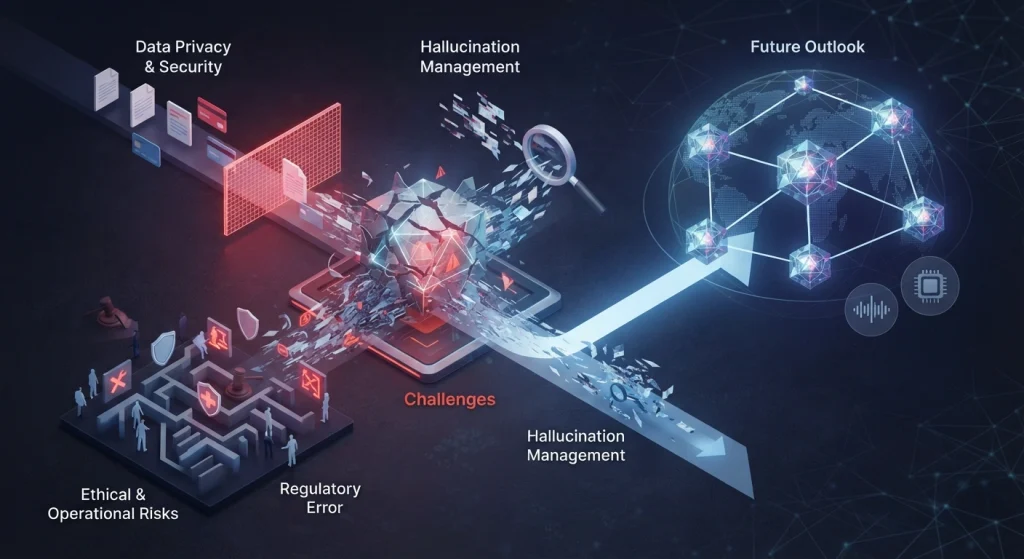
While the practical applications of smartbots and AI offer unprecedented advantages across industries, widespread deployment also introduces significant technical, ethical, and operational challenges. Organizations must navigate these hurdles carefully to ensure systems remain secure, accurate, and trustworthy. At the same time, ongoing innovations in artificial intelligence point toward an even more sophisticated future where digital agents blur the line between software utility and autonomous collaboration.
Data Privacy, Security Risks, and Hallucination Management
As smartbots handle increasingly sensitive customer data, corporate records, and financial transactions, safeguarding privacy becomes paramount. Organizations face critical challenges regarding secure data storage, regulatory compliance, and vulnerability to prompt injection attacks or data leaks. Furthermore, generative AI models remain susceptible to hallucinations—instances where a system produces factually incorrect or fabricated information with absolute confidence. Mitigating these risks requires rigorous deployment of retrieval-augmented generation (RAG), strict access controls, and continuous human oversight to verify system outputs before critical actions are executed.
The Future Trajectory of Autonomous Agent Ecosystems
Looking ahead, the evolution of smartbots is shifting from isolated chat interfaces toward interconnected multi-agent ecosystems. Future intelligent systems will not merely respond to prompts; they will proactively execute complex, multi-step workflows across disparate software platforms with minimal human intervention. As natural language processing merges with advanced voice synthesis, edge computing, and real-time sensory inputs, smartbots will transition into seamless, ubiquitous digital partners across personal and professional environments.
Frequently Asked Questions (FAQs)
As organizations and individuals rapidly adopt conversational technologies, several common questions arise regarding how these systems operate, their financial impact, and their integration capabilities. Addressing these queries helps clarify the practical expectations and technical realities of deploying intelligent agents in modern digital environments.
What is the difference between traditional chatbots and smartbots?
Traditional chatbots rely on rigid, rule-based decision trees, hard-coded keyword matching, and predetermined scripts. If a user inputs a query that falls outside those exact parameters, the legacy bot fails or defaults to a generic error message. In contrast, modern smartbots leverage natural language processing, machine learning algorithms, and contextual awareness. They interpret the underlying intent of unstructured human language, handle open-ended conversations, and adapt dynamically to new scenarios without requiring manual reprogramming for every variation of a phrase.
How do applications of smartbots and AI impact business operational costs?
Deploying smartbots significantly reduces overhead expenditure by automating up to 80% of routine, high-volume inquiries, tier-one customer support tickets, and scheduling tasks. By handling these repetitive requests autonomously around the clock, organizations minimize the need for massive customer service call centers, reduce administrative friction, and lower cost-per-resolution metrics. This allows human personnel to redirect their time toward complex problem-solving, high-value client relations, and strategic growth initiatives.
Can smartbots integrate with existing enterprise software?
Yes. Modern enterprise-grade smartbots are engineered for seamless interoperability with existing technology stacks. Through robust APIs and secure backend connectors, these systems integrate smoothly with customer relationship management (CRM) platforms, enterprise resource planning (ERP) software, cloud databases, and team collaboration tools like Slack or Microsoft Teams. This integration ensures that smartbots can pull live data, update records in real time, and execute multi-platform workflows without disrupting established operational procedures.