

The most honest thing any genuinely useful source on this comparison says is also the thing most “best tool” rankings skip entirely: SpyFu and Ahrefs aren’t really competing for the same buyer. One is built around paid search competitive intelligence. The other is built around organic search authority and backlink data. Treating this like a head-to-head contest with one winner misses the actual decision most people researching this comparison need to make — which is less “which tool is better” and more “which problem do I actually have.”
What Each Tool Is Actually Built For
SpyFu exists to answer one category of question better than almost anything else on the market: what is my competitor doing with their paid search budget, and what has that budget bought them over time? Its core differentiator is historical depth — SpyFu maintains more than 10 years of Google Ads history per competitor domain, sortable by how long specific ads have run, which is a genuinely useful signal, since an ad a competitor has kept running for years is very likely one that’s actually converting for them.
Ahrefs exists to answer organic search questions — backlink authority, keyword ranking potential, content gap analysis, competitive organic visibility. Paid search is present in the product but genuinely secondary; Ahrefs’ own feature depth and marketing focus center almost entirely on organic search intelligence rather than PPC competitive research.
The Real, Quantified Differentiator: SpyFu’s Campaign Import Workflow
This is worth leading with because it’s one of the few genuinely specific, concrete claims available in this comparison rather than vague feature-list bullet points. SpyFu can assemble importable Google Ads campaign structures directly from a competitor’s keyword data — taking manual ad group mapping that would otherwise take hours and cutting it down to under an hour. Ahrefs has no equivalent campaign-import workflow at all; its PPC-adjacent features stop at basic competitive visibility rather than extending into actual campaign-building tooling.
For an agency running paid search programs across 10-20 client accounts simultaneously, that specific workflow difference is a real, defensible reason to choose SpyFu’s Pro plan at roughly $89/month over paying considerably more for Ahrefs features that, for that specific use case, stop at organic data entirely. This isn’t a marginal convenience feature — it’s the kind of time savings that compounds directly across every client account an agency manages.
Pricing: The Real Numbers
| Plan | SpyFu | Ahrefs |
|---|---|---|
| Entry | Basic: around $39-49/month (varies by promotion) | Starter: $29/month (limited) / Lite: $129/month |
| Mid | Professional/Pro: ~$89/month | Standard: $249/month |
| Upper | Team: ~$299/month | Advanced: $449/month |
| Business model | Fully paid, no free tier | Freemium entry point, paid tiers scale up |
One consistent, genuinely useful data point across multiple sources checked for this comparison: SpyFu is paid-only with no meaningful free tier, while Ahrefs offers at least a limited freemium entry point before requiring payment — worth knowing if you want to test either tool’s interface and data quality before committing budget.
Where Ahrefs Clearly Wins
Backlink and organic authority data
This remains Ahrefs’ core strength and the primary reason most buyers choose it over any PPC-focused alternative — its crawler indexes the web continuously, and its backlink database is considerably deeper and more frequently refreshed than anything SpyFu offers, since backlink depth was never SpyFu’s focus to begin with.
Integration breadth
Ahrefs integrates with roughly 38 third-party tools, compared to SpyFu’s 11 — a meaningful gap for any team building SEO data into a broader marketing stack (reporting dashboards, project management tools, data warehouses) rather than working inside a single standalone platform.
AI and forward-looking search features
Ahrefs has invested more visibly in newer search-visibility features tracking how content performs in evolving search formats, an area where SpyFu’s product focus hasn’t meaningfully expanded.
Breadth beyond competitive research
Content marketing tooling, rank tracking depth, and site audit capabilities are all more developed in Ahrefs than in SpyFu, which remains comparatively narrow and specialized by design rather than by oversight.
Where SpyFu Clearly Wins
Historical PPC ad data depth
Ten-plus years of per-competitor Google Ads history, sortable by ad longevity, is a genuinely specialized capability Ahrefs doesn’t seriously contest — this isn’t a secondary feature SpyFu happens to have, it’s the actual core of the product.
PPC campaign-building workflow
The importable campaign-structure feature covered above is a real, quantifiable time-savings advantage with no direct Ahrefs equivalent.
Price-to-value for PPC-specific research
For an agency or in-house team whose primary need is competitor paid-search intelligence rather than organic backlink depth, SpyFu’s pricing delivers more directly relevant value per dollar than Ahrefs, which charges premium organic-focused pricing for PPC features that remain comparatively thin.
Simplicity of focus
SpyFu’s narrower scope is also a genuine usability advantage for teams whose work is specifically PPC-competitive-research-focused — less time navigating feature areas irrelevant to the actual task at hand.
Real Weaknesses Worth Knowing About Each
- SpyFu’s honest weaknesses: data accuracy on some metrics varies by independent account, organic traffic estimates and link-prospecting workflows are explicitly secondary to its PPC focus rather than fully developed capabilities, local SEO features are limited, and the lack of any free tier means you’re committing budget before fully evaluating fit. It is, by design, a narrower tool — genuinely excellent at what it specializes in, and comparatively thin everywhere else.
- Ahrefs’ honest weaknesses, specific to this comparison: no PPC campaign-building workflow at all, meaning any team needing that specific capability will need a separate tool regardless of how deep Ahrefs’ organic data goes. Its PPC-adjacent features remain genuinely secondary to the product’s organic focus, so teams expecting SpyFu-level paid-search competitive intelligence from Ahrefs will be disappointed by the gap between the two in that specific category.
The Actual Decision Framework
| Your primary need | Better fit |
|---|---|
| Competitor PPC ad history and campaign-building workflows | SpyFu |
| Backlink authority and organic search competitive analysis | Ahrefs |
| Running an agency managing many clients’ active paid search programs | SpyFu |
| Content strategy and organic keyword gap analysis | Ahrefs |
| Need the deepest possible third-party tool integration | Ahrefs |
| Want to test before committing budget | Ahrefs (freemium entry point) |
| Primary KPI is paid search competitive positioning | SpyFu |
| Primary KPI is organic ranking and backlink growth | Ahrefs |
Why Treating This as a Direct Head-to-Head Misses the Point
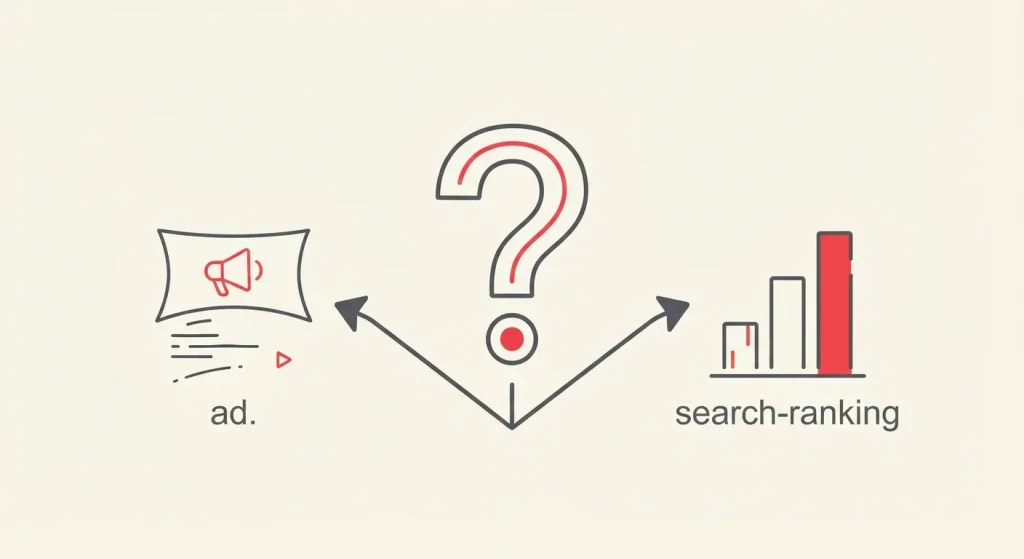
Worth stating plainly rather than hedging: for the large majority of buyers evaluating this specific comparison, the honest answer is that these tools solve different enough problems that “which one wins” is the wrong frame. A team with real organic SEO needs and no significant active PPC program gets little practical value from SpyFu’s core strength, regardless of price. A team running substantial competitor-focused paid search campaigns gets comparatively little from Ahrefs’ backlink depth, however impressive that depth is in the abstract. The more useful exercise than reading a feature-by-feature comparison is being honest with yourself about which category of work — paid or organic competitive intelligence — actually drives your day-to-day decisions, since that answer determines the right tool far more reliably than any pricing table does.
How This Fits Into the Broader SEO Tool Landscape
Ahrefs shows up as the common reference point across nearly every tool comparison in this category, not just against SpyFu — the same organic-authority strength and premium pricing pattern holds true in our Serpstat vs. Ahrefs comparison as well, where Serpstat plays a genuinely different role than SpyFu does here: a broader, more affordable all-in-one alternative rather than a specialized PPC tool. Worth reading both comparisons together if you’re evaluating your full toolkit rather than a single head-to-head swap, since Ahrefs’ actual competitive position looks different depending on which specific capability you’re measuring it against.
Frequently Asked Questions
Is SpyFu better than Ahrefs for SEO?
Not generally — Ahrefs’ organic search and backlink data is considerably deeper and more actively maintained. SpyFu’s genuine strength is paid search competitive intelligence, not organic SEO, and it shouldn’t be evaluated as a direct organic-SEO substitute for Ahrefs.
What is SpyFu’s biggest advantage over Ahrefs?
Historical PPC data depth and campaign-building workflow — specifically, more than 10 years of per-competitor Google Ads history and a pre-built campaign-import feature that can cut manual ad group mapping from hours to under an hour, a capability Ahrefs doesn’t offer.
Does Ahrefs have PPC competitive research features?
Only basic ones — competitive visibility exists in the product, but Ahrefs has no campaign-building workflow and its PPC capabilities remain secondary to its organic-search-focused core, a genuine gap compared to SpyFu’s specialized depth in that category.
Is SpyFu cheaper than Ahrefs?
Generally yes, at comparable tiers — SpyFu’s Pro plan runs around $89/month versus Ahrefs’ $129-249/month range for comparable mid-tier access, though Ahrefs offers a freemium entry point SpyFu doesn’t provide at all.
Should an agency choose SpyFu or Ahrefs?
It depends on which service the agency primarily sells. Agencies running active paid search management for clients get more direct, quantifiable value from SpyFu’s PPC-specific tools. Agencies focused on organic SEO and content strategy get more value from Ahrefs’ organic and backlink depth.
The real takeaway from this comparison isn’t which platform wins — it’s that the question itself assumes a competition that, for most buyers, doesn’t actually exist. Know whether your work lives primarily in paid or organic search, and the right tool here becomes considerably more obvious than any feature-by-feature scorecard would suggest.