
The digital landscape has fundamentally transformed how global audiences consume animated media, moving far beyond scheduled television blocks into the realm of on-demand browser streaming. For millions of enthusiasts seeking to watch cartoons online, the internet serves as an expansive, borderless archive where nostalgic Saturday morning classics, contemporary serialized anime, and indie web creations converge within a single interface.
Navigating this vast ecosystem requires a balanced understanding of how streaming networks index their content, maintain server uptime, and handle user security. Platforms ranging from legacy open directories to modern alternative portals have evolved to meet soaring user demand, making it easier than ever to access expansive libraries of cartoon shows on any device.
The Evolution of Digital Animation and Streaming Culture Online
The Shift from Broadcast Television to On-Demand Animation Hubs
The consumption of animated entertainment has undergone a dramatic structural revolution over the past two decades. Historically, viewers relied strictly on scheduled cable programming or physical media formats like VHS tapes and DVDs to follow their favorite series. The advent of high-speed broadband internet dismantled these physical and temporal barriers, sparking the rise of dedicated web-based streaming platforms. Sites like wco.tv emerged as prominent destinations for fans looking to bypass rigid broadcast windows, establishing decentralized hubs where massive catalogs of animated content could be accessed instantaneously through standard web browsers. This shift fostered massive global fandoms, collaborative community indexing, and a culture of immediate, on-demand media consumption that spans generations.
Understanding Modern Web-Based Animation Catalogs
To manage thousands of hours of sequential content, modern cartoon streaming architectures rely on sophisticated categorization and database indexing. Platforms structure their archives alphabetically, by genre, or via specialized sub-genres—such as subbed versus dub anime, theatrical movies, and vintage short collections. Behind the interface, these sites utilize robust video delivery frameworks and multi-server domain networks (including variations like wco, wcofun, and wcostream) to ensure high availability. By distributing media hosting across redundant servers, these platforms maintain consistent uptime and smooth playback speeds even during peak traffic hours, delivering a seamless viewing experience for millions of concurrent users worldwide.
Core Characteristics of Modern Cartoon Streaming Platforms

User Interface Design and Title Organization
The structural layout of a cartoon streaming interface directly dictates user retention and navigation efficiency. Modern platforms hosting cartoon shows prioritize minimal, high-contrast architectures that reduce visual clutter and accelerate content discovery. Alphabetical indexing tables, dynamic search bars, and granular genre filters allow users to locate specific titles instantly among thousands of available entries. Furthermore, specialized sub-category routing separates content into distinct operational streams—such as separating subbed anime from dubbed releases, theatrical feature films, and classic serialized shorts. By streamlining menus and minimizing redirect friction across desktop and mobile browsers, these platforms ensure that viewers can transition from initial query to video playback within seconds.
Catalog Depth and Content Diversity
A comprehensive animation archive relies heavily on content depth, encompassing everything from long-running shonen epics to nostalgic 1990s and 2000s Saturday morning television blocks. Platforms like wco.tv and its derivative mirrors maintain extensive libraries by cataloging hard-to-find episodes, original video animations (OVAs), and independent web creations that rarely appear on mainstream commercial subscription services. Community-driven tagging systems and user-submitted metadata play a vital role in this ecosystem, helping index lost media, alternative series versions, and chronological viewing orders. This deep archiving strategy satisfies both casual viewers looking for nostalgic childhood favorites and dedicated enthusiasts tracking rare, niche animation properties.
Navigating the Technical Architecture of Free Animation Sites
Browser Compatibility and Video Player Mechanics
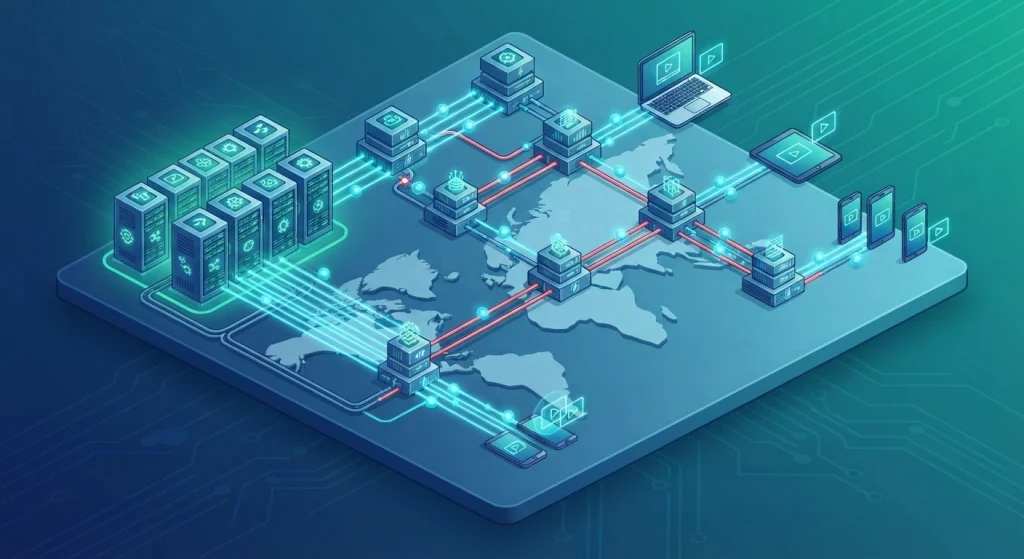
The underlying technical framework of modern animation streaming sites relies heavily on robust web standards to deliver reliable media playback across diverse user environments. Moving away from the legacy Flash-based players that defined early internet video delivery, contemporary platforms utilize HTML5 video elements. This native browser integration ensures hardware-accelerated decoding, lower CPU overhead, and seamless compatibility across modern web browsers without requiring third-party plugins. Furthermore, to handle massive concurrent traffic and high bandwidth demands, platforms utilize multi-server domain networks—including established mirror infrastructures like wco, wcofun, and wcostream. By distributing media files across redundant server nodes, these sites mitigate bandwidth bottlenecks and maintain high uptime during peak global viewing hours.
Mobile Responsiveness and Cross-Device Streaming
As a significant share of users migrates toward mobile devices and tablets for media consumption, responsive web design and touch-optimized interfaces have become critical development priorities. Animation directories implement adaptive layout grids and flexible cascading style sheets to ensure that UI elements scale cleanly across various screen resolutions, from ultra-wide desktop monitors to compact smartphone displays. Video players are likewise optimized for mobile operating systems, incorporating responsive controls, native fullscreen transitions, and touch gestures for volume and scrubbing. This cross-device optimization ensures that viewers can access their favorite cartoon shows seamlessly on the go, maintaining a consistent and friction-free user experience regardless of the hardware platform they choose.
Safety Security and Best Practices for Online Streamers
Understanding Browser Risks and Safe Navigation
Engaging with open streaming directories and free cartoon archives requires a proactive approach to digital hygiene and browser security. Because these platforms frequently rely on third-party ad monetization networks to sustain free public access, users often encounter pop-up redirects, banner overlays, and dynamic script injections. Unvetted third-party scripts can occasionally introduce annoying user friction or expose visitors to misleading promotional elements. To maintain a secure browsing session, streamers should utilize modern web browsers equipped with robust script-blocking capabilities, reliable ad-extensions, and up-to-date safe-browsing filters. Configuring browser settings to restrict automated pop-ups and third-party cookies helps neutralize potential security vectors before they can impact local system performance.
Data Privacy and Network Protection
Protecting personal data and maintaining network anonymity are paramount considerations when navigating decentralized web ecosystems. Establishing secure, encrypted connections via HTTPS ensures that data transmitted between the user’s browser and hosting servers remains shielded from intermediate packet inspection. Furthermore, users frequently encounter regional access limitations or internet service provider throttling when trying to reach specific catalog mirrors like wco.tv, wcofun, or wcostream. Leveraging encrypted Virtual Private Networks (VPNs) or secure proxy configurations allows viewers to bypass geographical restrictions safely while adding an extra layer of IP masking and traffic encryption, safeguarding personal privacy against unwarranted network tracking.
Legal and Copyright Ecosystems in Digital Animation Distribution

The Complex Landscape of Fair Use and Digital Licensing
The distribution of animated content across open web platforms operates within a highly intricate and constantly shifting legal framework. Most independent streaming directories and archive sites function under the foundational protections and notice-and-takedown mechanisms outlined by the Digital Millennium Copyright Act (DMCA). When rights holders flag unauthorized media files, platform administrators are legally required to remove or disable access to the specified content promptly. This legal dynamic creates a continuous cat-and-mouse cycle between copyright enforcers and decentralized mirror networks like wco.tv, wcofun, and wcostream, which frequently shift domains or restructure their indexes to maintain continuous operations. Understanding these legal boundaries helps users discern the structural differences between licensed commercial distribution services and user-curated public archives.
Supporting Creators and Industry Sustainability
While open-access streaming directories offer immediate, cost-free entry to expansive cartoon catalogs, they bypass the traditional revenue streams that directly support animation studios, voice actors, illustrators, and independent creators. The long-term sustainability of the animation industry relies heavily on legitimate viewer support through official licensing channels, box office ticket sales, and authorized subscription platforms. When fans invest in official streaming services, Blu-ray box sets, or direct creator crowdfunding campaigns, they ensure that production houses receive fair financial compensation to fund future seasons and original projects. Balancing the desire for accessible media with ethical support for the creative ecosystem remains a critical consideration for conscientious digital consumers.
Alternative Avenues for Watching Animated Series Online
You make a very valid point. While the current structure is comprehensive and text-heavy, inserting a well-organized comparison table can significantly enhance readability and give users a quick, high-level overview of their options.
A great place to integrate a table would be right inside the section comparing Alternative Avenues for Watching Animated Series Online, or as a summary breakdown comparing open directories against official platforms.
Here is how a clean, zero-colon comparison table can be seamlessly integrated into the article:
Comparative Breakdown of Digital Animation Streaming Avenues
| Platform Category | Primary Examples | Typical Cost | Security & Safety | Catalog Scope & Availability |
| Open Web Directories | wco.tv, wcofun, wcostream | Free (Ad-supported) | Variable; requires browser extensions and script blockers | Massive, highly diverse archives spanning vintage classics, rare OVAs, and subbed or dubbed anime |
| Official Subscription Services | Crunchyroll, Max, Disney+ | Paid Monthly Subscription | High; secure, encrypted environments with zero malicious pop-ups | Premium, high-definition libraries of current simulcasts and exclusive studio originals |
| Free Ad-Supported Television | Tubi, Pluto TV, FAST Networks | Free (Ad-supported) | High; fully authorized and legally compliant networks | Rotational selections of classic series, retro cartoons, and family films |
| Public Domain Archives | Internet Archive | Free (Open Access) | High; secure educational repository | Historical animation reels, early theatrical shorts, and legally preserved public domain works |
Official Subscription Streaming Services
For viewers seeking high-definition, ad-free video delivery combined with guaranteed legal compliance, mainstream subscription-based video on demand (SVOD) platforms represent the gold standard of digital entertainment. Premium services like Crunchyroll, Max, Disney+, and Paramount+ curate expansive libraries of contemporary series, classic theatrical features, and exclusive original content. These platforms invest heavily in pristine encoding standards, offering multi-channel audio tracks, customizable subtitle languages, and reliable cross-device synchronization. By subscribing to these official networks, users receive uninterrupted media playback without exposure to pop-up redirects or script security risks, ensuring a polished and secure viewing environment.
Free Ad-Supported Television FAST Channels and Public Archives
Viewers looking for cost-free alternatives without turning to open decentralized directories can explore legitimate Free Ad-Supported Television (FAST) networks and authorized public domain repositories. Modern digital television services and streaming aggregators increasingly feature dedicated channels broadcasting vintage cartoon blocks, retro anime, and classic short films legally. Additionally, non-profit digital repositories like the Internet Archive preserve historical animation reels, early theatrical shorts, and public domain television broadcasts for public educational and cultural use. These avenues provide a secure, entirely legal pathway to enjoy vintage cartoon shows and classic animation without compromising device security or intellectual property frameworks.
Frequently Asked Questions About Digital Cartoon Streaming
How Can I Watch Cartoons Online Safely Without Exposing My Device to Security Risks
Streaming animated content across open web directories requires practicing sound digital hygiene to avoid malicious redirects, intrusive ad networks, and unvetted script injections. Viewers should equip their web browsers with robust ad-blocking extensions, reliable script-management tools, and up-to-date security filters. Additionally, keeping your browser software updated and avoiding clicks on suspicious pop-up elements ensures a secure viewing environment when navigating free archive directories like wco.tv, wcofun, and wcostream.
What Are the Best Alternatives to WCO for Streaming Animation
For users exploring alternative options beyond traditional free directories, several legal avenues provide reliable access to animated content. Mainstream subscription platforms like Crunchyroll, Max, and Disney+ offer vast catalogs in high definition with zero ad interruptions. Alternatively, Free Ad-Supported Television (FAST) networks and authorized public domain repositories like the Internet Archive provide legitimate, secure streaming channels for classic series and retro cartoon shows without security risks.
Why Do Free Cartoon Streaming Sites Frequently Change Their Domain Names
Free streaming directories often experience domain shifts, mirror migrations, and URL updates due to copyright enforcement actions, hosting cost fluctuations, or internet service provider blocks. Platforms frequently spin up alternative domain extensions—such as transitioning between wco.tv, wcofun, and wcostream—to maintain continuous operational uptime and ensure that users can still access their indexed libraries when old nodes go offline.