The last mile of the supply chain remains the most expensive, unpredictable, and high-stakes phase of modern commerce. As consumer expectations for instantaneous fulfillment continue to surge, independent logistics providers and delivery contractors face mounting pressure to execute hundreds of daily stops flawlessly. Balancing compressed time windows, dense urban traffic, and strict regulatory standards requires far more than generic mapping tools and scattered administrative spreadsheets.
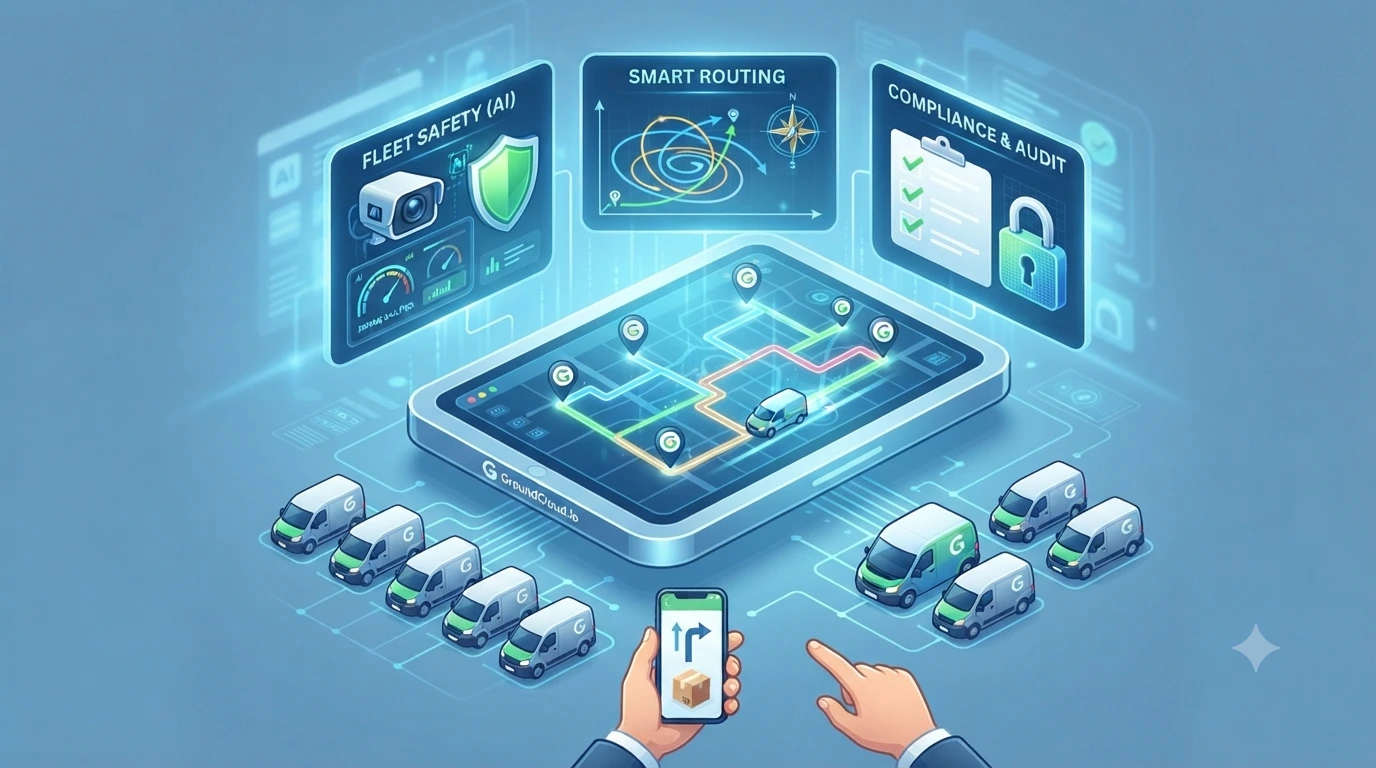
To achieve sustainable growth and protect operational margins, modern logistics operators are shifting away from fragmented software stacks. By deploying an integrated, cloud-native ecosystem, businesses can centralize safety management, accelerate route execution, and automate compliance from a single command center.
The Complexities of Modern Delivery Contracting
Operating a modern delivery business—particularly within high-volume contracted delivery networks—involves navigating an intricate web of daily operational challenges. Delivery Service Partners (DSPs) and independent fleet owners must constantly manage tight profit margins, high driver turnover, and rigorous safety thresholds enforced by major logistics networks. When dispatchers rely on disconnected tools to handle routing, telematics, and payroll, costly inefficiencies quickly compound.
- Everyday Operational Bottlenecks: Managing dense stop distributions, unpredictable traffic patterns, and sudden vehicle maintenance issues can instantly derail a daily manifest if real-time visibility is missing.
- The Compliance Burden: Staying fully aligned with Department of Transportation (DOT) mandates, Hours of Service (HOS) rules, and rigorous daily vehicle inspection requirements creates a massive administrative drain on small and mid-sized fleets.
To eliminate these friction points, operators need an all-in-one platform built specifically to tackle the unique realities of last-mile logistics. GroundCloud.io provides the end-to-end infrastructure necessary to transform complex delivery management into a streamlined, automated operation.
Core Architecture: Unifying Operations with a Cloud-Based Dispatch System
Operating a modern delivery fleet requires absolute, real-time visibility across every active vehicle, driver, and route. Traditional logistics management often suffers from fragmented communication, where dispatchers rely on disjointed phone calls, manual whiteboards, and localized spreadsheets to track daily progress. This lack of a unified command center creates dangerous blind spots, delays troubleshooting when issues arise, and frustrates both managers and drivers.
To eliminate these operational silos, modern fleets depend on a centralized, cloud-based dispatch infrastructure.
- The Web Console Command Center: Cloud-based architecture gives fleet managers a live, bird’s-eye view of their entire operation from a single web dashboard, allowing them to monitor driver pacing, track progress against estimated time of arrival (ETA) milestones, and reassign stops dynamically.
- Seamless Third-Party Integrations: By centralizing operational data in the cloud, platforms can easily connect fleet oversight with essential administrative systems, streamlining payroll calculation, compliance logging, and accounting workflows without manual data entry.
By anchoring day-to-day operations in a robust cloud ecosystem, delivery businesses replace guesswork with complete, end-to-end transparency.
Intelligent Routing: Maximizing Efficiency with GroundCloud Delivery Management Software
Navigating high-density, multi-stop routes manually is a primary source of wasted fuel, excessive overtime, and missed delivery windows. As customer expectations demand faster turnarounds, standard consumer GPS mapping apps fall short because they fail to account for commercial vehicle restrictions, specific delivery time windows, or high-volume stop sequencing.
To overcome these roadblocks, advanced delivery management software utilizes robust optimization engines designed specifically for last-mile logistics.
- Scaling Up to 500 Stops: Intelligent routing algorithms dynamically sequence hundreds of delivery points per route, drastically reducing total miles driven, minimizing backtracking, and cutting fuel consumption.
- Granular Subzones and Stop Notes: Advanced routing tools incorporate precise delivery instructions—such as gate codes, secure loading dock locations, or specific parcel drop-off markers—ensuring drivers achieve high first-attempt delivery success rates.
Driver Empowerment: Instant Onboarding and Turn-by-Turn Guidance
Even the most sophisticated routing engine falls short if drivers struggle to navigate their manifests efficiently in the field. High driver turnover and the constant influx of seasonal hires mean that delivery operations must minimize training friction. If new drivers spend weeks learning complex navigation protocols, productivity drops and operational errors soar.
To solve this, modern last-mile platforms prioritize intuitive, driver-centric mobile technology that accelerates productivity from day one.
- Accelerated Onboarding: User-friendly mobile applications simplify package scanning and route execution, allowing green hires to transition from initial training to full route capacity in a matter of days rather than months.
- Offline-Capable Navigation: Because delivery routes frequently traverse rural regions or dead zones with intermittent cellular coverage, robust offline mapping and navigation ensure drivers stay precisely on schedule without losing their turn-by-turn guidance.
Proactive Protection: Fleet Tracking, Telematics, and AI Video Integration
Protecting drivers, mitigating liability, and reducing vehicle wear and tear are top priorities for any fleet manager. Traditional tracking tools often provide only basic GPS breadcrumbs, leaving managers blind to dangerous driving behaviors, distracted habits, or the root causes of roadside incidents.
To elevate safety standards and protect business assets, modern logistics platforms integrate advanced telematics with cutting-edge video technology.
- AI-Powered Cabin and Road Monitoring: Intelligent camera systems actively detect risks in real time, identifying distracted driving, failure to wear a seatbelt, and sudden risky maneuvers before they escalate into accidents.
- Automated Safety Coaching: By capturing critical event triggers, platforms generate actionable data that allows managers to deliver targeted, data-driven coaching sessions, fostering a proactive safety culture across the entire team.
Streamlining Compliance: Automated Inspections, HOS, and Audit Readiness
Navigating administrative burdens and regulatory requirements is a constant challenge for fleet operators. Failing to maintain precise records or missing mandatory vehicle safety checks can lead to heavy fines, grounded vehicles, and costly Department of Transportation (DOT) penalties. When compliance tracking relies on paper forms and manual record-keeping, errors inevitably slip through the cracks.
To safeguard the business and maintain continuous audit readiness, modern logistics platforms automate critical compliance workflows.
- Digital Pre- and Post-Trip Inspections: Transitioning vehicle walkarounds to a digital format ensures drivers complete mandatory checks thoroughly, instantly flagging maintenance issues and generating permanent digital logs.
- Labor and Hours of Service (HOS) Tracking: Automated timecards and break tracking monitor driver service hours seamlessly, keeping operations fully aligned with state and federal safety regulations without the administrative headache.
Final Verdict: Scaling Your Logistics Business with Confidence
As the demands of last-mile delivery continue to intensify, relying on manual processes, fragmented apps, and reactive management is no longer a viable strategy for sustainable growth. Independent contractors and Delivery Service Partners face razor-thin margins where every missed stop, inefficient route, or compliance oversight directly impacts profitability.
By uniting cloud-based dispatching, intelligent route optimization, intuitive driver tools, AI-powered telematics, and automated compliance into a single ecosystem, platforms like GroundCloud.io provide a comprehensive blueprint for modern fleet management. Investing in an end-to-end logistics infrastructure eliminates operational friction, protects your drivers on the road, and equips your business to scale with absolute confidence.